Losing body fat is one of the most common reasons people hit the gym. Although it's not always easy, losing weight and reducing body fat doesn't have to be complicated.
When trying to lose weight, we want to target body fat for reduction while maintaining our muscle mass. Generally, weight loss comes down to simple math — burning more calories through exercise and movement than we consume. This guide presents key methods for losing body fat sustainably, focusing on fat loss nutrition and practical training strategies.
Jump to:
- Fat loss nutrition
- Exercise for fat loss
- Anaerobic exercise for fat loss
- Aerobic exercise for fat loss
- LISS for fat loss
- HIIT for fat loss
- Best ways to reduce belly fat
- Biggest mistakes when trying to lose body fat
- What is the recommended body fat percentage?
- What are the best ways to measure body fat?
- Frequently asked questions
Nutrition
When it comes to losing body fat, nutrition is the most critical component. It is far easier to sabotage your progress through overeating than it is to compensate by working harder in the gym. The cornerstone of fat loss is creating a negative energy balance — where your total energy expenditure is greater than your intake.
Although there are many dietary approaches to weight loss, they all share one core principle: calorie reduction.
This can take various forms. You might choose to reduce refined carbohydrates through a ketogenic approach, lower your intake of dietary fats on a standard low-calorie diet, or implement intermittent fasting. The key to fat loss is finding a sustainable eating plan that you can maintain over the long term.
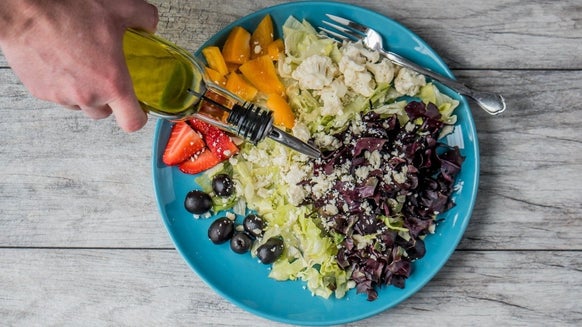
Regardless of dietary preferences or macronutrient splits, fueling your body with nutrient-dense, healthy foods remains essential.
Always consult a physician or registered dietitian for a personalized diet plan. However, following basic nutritional guidelines will support a healthy diet conducive to fat loss.
It is also helpful to understand how macronutrients differ in energy density. Carbohydrates and proteins both contain 4kcals per gram, whereas fat contains 9kcals per gram. Reducing fat intake can make it easier to lower overall calorie intake; for instance, reducing daily fat by 10g saves double the calories of reducing carbohydrates or protein by 10g.
1. Consume more protein
When selecting protein sources, choose lean meats, incorporate fish into several meals per week, and opt for plant-based proteins where possible. Protein plays an important role in satiety, helping you feel fuller for longer and reducing the urge to snack between meals.
When cooking, favor heart-healthy oils like olive oil over saturated animal fats such as butter or lard. Obtain dietary fats from whole sources like fatty fish, avocados, nuts, and seeds rather than deep-fried foods.
Minimize added sugars commonly found in sweetened beverages and desserts.
Sufficient protein intake is essential during a weight loss journey to preserve lean muscle mass.1 Research demonstrates that higher protein intake during an energy deficit supports muscle preservation and encourages targeted fat loss.1
Protein powder
Depending on your training intensity, supplementing with protein can help meet your daily requirements and protect lean muscle tissue. A high-quality protein powder — such as whey concentrate, isolate, or a whey and collagen blend — provides a convenient way to top up your intake.
If you are increasing your training load, a whey and collagen blend can be particularly beneficial, as collagen provides the structural building blocks for tendons, ligaments, and cartilage that experience higher strain as exercise volume rises.
2. Get enough fiber
Fiber is another key factor in managing weight. Adequate soluble fiber from fruits, vegetables, and whole grains aids digestion and promotes feelings of fullness.
If your dietary intake of fiber is low, consider a fiber supplement. Studies show a positive correlation between soluble fiber intake and successful fat loss.4
Maintaining a balanced diet does not need to be overly complicated. Persistent hunger is not required to burn fat; choosing satisfying, whole foods alongside targeted supplementation ensures your approach remains sustainable.
3. Volumize your meals
Increasing meal volume helps manage hunger while reducing overall calorie intake. Structuring your plate with plenty of fibrous vegetables, lean protein, and whole-grain carbohydrates allows you to enjoy larger, satisfying meals while staying within your target calorie deficit.
Exercise
Returning to the energy balance equation, increasing physical activity raises daily calorie expenditure. Everyone burns a baseline number of calories at rest — known as the resting metabolic rate (RMR) — which varies based on body size and composition.
While RMR is typically measured in laboratory settings, mathematical models like the Harris-Benedict equation can provide useful baseline estimates.
1. Do anaerobic exercise
Individuals with a higher proportion of lean muscle mass burn more calories at rest than those with higher body fat levels. Muscle acts as metabolically active tissue, whereas body fat primarily serves as an energy store.
Resistance training, or anaerobic exercise, builds lean muscle mass, which contributes to a higher resting energy expenditure over time. While significant increases in muscle mass are required to drastically alter baseline metabolism, weightlifting remains a cornerstone of body composition improvement.
Advanced resistance training techniques can further increase session density. For example, "drop sets" involve performing an exercise to near-failure at a heavy weight, then immediately continuing with a lighter weight to fatigue the muscle further. "Supersets" involve performing two exercises for opposing muscle groups back-to-back with minimal rest between sets.
2. Up your cardio (aerobic exercise)
Aerobic activity is the second component of an effective fat loss training regime. Cardio encompasses any form of exercise that elevates your heart rate, ranging from brisk walking to high-intensity interval training (HIIT).
Combining different forms of cardiovascular training within your weekly routine offers well-rounded fitness and fat loss benefits.
3. LISS – low-intensity steady state
LISS cardio involves continuous exercise performed at a low-to-moderate pace over an extended duration. Examples include jogging, cycling, swimming, or using an elliptical machine.
LISS is suitable for all fitness levels and keeps your heart rate within a steady, fat-burning zone for longer periods.
4. HIIT – high-intensity interval training
HIIT involves short, maximum-effort bursts of exercise followed by brief recovery periods — such as repeated short sprints compared to a sustained jog.
HIIT rapidly elevates heart rate and improves cardiovascular recovery rates, offering a time-efficient alternative to traditional steady-state cardio.
Best ways to reduce belly fat
It is important to understand that targeted fat loss (spot reduction) in specific areas of the body is not possible. However, reducing overall body fat through a calorie deficit will decrease fat stores across the entire body, including the abdomen. A normal amount of abdominal fat is healthy and expected.
1. Reduce your sugar intake
Research indicates that excessive sugar intake, particularly from sweetened beverages, may contribute to increased abdominal fat accumulation.2 Reducing your intake of sugary sodas, sweetened coffees, and juices helps limit central fat storage and lowers total daily calorie intake.
When selecting post-workout shakes or protein bars, check nutrition labels to ensure they do not contain excessive added sugars.
2. Stick to the basics
The most effective strategy for body fat reduction remains consistency with nutritional basics and regular exercise. If progress stalls, adjust your workout variables or introduce new training stimuli to challenge your muscles.
Biggest mistakes when trying to lose body fat
Overly restrictive dieting: Excessive calorie deficits can cause the body to break down muscle tissue alongside body fat. Consuming excess sugar: High sugar consumption can lead to accidental overeating and undo energy deficits. Unrealistic expectations: Sustainable fat loss requires time. Rapid-fix fad diets are rarely sustainable and can negatively impact health.
What is the recommended body fat percentage?
Body fat percentage reflects the ratio of fat mass to lean body mass and serves as a helpful tracking metric. The following categories are based on guidelines from the American Council on Exercise (ACE):
| Description | Women | Men |
|---|---|---|
| Essential fat | 10–13% | 2–5% |
| Athletes | 14–20% | 6–13% |
| Fitness | 21–24% | 14–17% |
| Acceptable | 25–31% | 18–24% |
| Obesity | >32% | >25% |
What are the best ways to measure body fat?
The most precise body fat measurement techniques — such as hydrostatic underwater weighing and air displacement plethysmography (BodPod) — require specialized laboratory equipment.
For practical home tracking, several accessible methods exist:
Bioelectrical Impedance Analysis (BIA): Available via smart bathroom scales or handheld devices, BIA measures the speed at which a low-level electrical current travels through body tissues (traveling faster through hydrated lean muscle than fat mass). Skinfold Calipers: Calipers measure subcutaneous fat thickness across defined body sites, which are then used in standard formulas to estimate body fat percentage. Tape Measure: Tracking circumference measurements at key areas — such as the waist, hips, biceps, and thighs — provides a simple way to monitor structural progress over time.
Frequently asked questions
Can you spot-reduce belly fat?
No, spot reduction of fat in specific body regions is not physiologically possible. However, creating a consistent calorie deficit through diet and exercise will reduce overall body fat, including in the abdominal region.
Why is protein important when trying to lose body fat?
Protein supports satiety to help you feel full for longer, reduces the likelihood of snacking, and helps preserve lean muscle mass while you are in a calorie deficit.
What is the difference between LISS and HIIT cardio?
LISS (low-intensity steady state) involves continuous exercise performed at a moderate pace over a longer duration within a steady fat-burning zone. HIIT (high-intensity interval training) uses short, maximal-effort bursts followed by brief rest intervals to elevate heart rate quickly and build cardiovascular recovery capacity.
How does weightlifting support body fat reduction?
Weightlifting builds and maintains lean muscle mass. Because muscle tissue is more metabolically active than fat tissue, having more lean muscle increases your baseline resting metabolic rate (RMR), helping you burn more calories at rest.
What are the easiest ways to measure body fat at home?
The most common at-home measurement options include bioelectrical impedance scales or handheld devices, skinfold calipers, and simple body circumference measurements taken with a tape measure.
Take home message
Successful fat loss comes down to consistent adherence to essential health principles. Consuming a balanced diet rich in lean protein and soluble fiber while limiting added sugars supports a sustainable calorie deficit. Combining nutrition with resistance training to protect muscle mass and structured cardio (a mix of LISS and HIIT) provides a practical, healthy pathway to long-term body fat reduction and overall well-being.


Claire is a Registered Dietitian through the Academy of Nutrition and Dietetics and a board-certified Health and Wellness Coach through the International Consortium for Health and Wellness Coaching. She has a Bachelor of Science in Biology and a Master’s degree in Clinical Dietetics and Nutrition from the University of Pittsburgh.
Talking and writing about food and fitness is at the heart of Claire’s ethos as she loves to use her experience to help others meet their health and wellness goals.
Claire is also a certified indoor cycling instructor and loves the mental and physical boost she gets from regular runs and yoga classes. When she’s not keeping fit herself, she’s cheering on her hometown’s sports teams in Pittsburgh, or cooking for her family in the kitchen.
Find out more about Claire’s experience here.
- Longland, T. M., Oikawa, S. Y., Mitchell, C. J., Devries, M. C., & Phillips, S. M. (2016). Higher compared with lower dietary protein during an energy deficit combined with intense exercise promotes greater lean mass gain and fat mass loss: a randomized trial. The American Journal of Clinical Nutrition, 103(3), 738–746.
- Stanhope, K. L., Schwarz, J. M., Keim, N. L., Griffen, S. C., Bremer, A. A., Graham, J. L., … & Havel, P. J. (2009). Consuming fructose-sweetened, not glucose-sweetened, beverages increases visceral adiposity and lipids and decreases insulin sensitivity in overweight/obese humans. The Journal of Clinical Investigation, 119(5), 1322–1334.
- Lee, J. J., Pedley, A., Hoffmann, U., Massaro, J. M., Levy, D., & Long, M. T. (2018). Visceral and intrahepatic fat are associated with cardiometabolic risk factors above other ectopic fat depots: the Framingham Heart Study. The American Journal of Medicine, 131(6), 684–692.
- Thompson, S. V., Hannon, B. A., An, R., & Holscher, H. D. (2017). Effects of isolated soluble fiber supplementation on body weight, glycemia, and insulinemia in adults with overweight and obesity: a systematic review and meta-analysis of randomized controlled trials. The American Journal of Clinical Nutrition, 106(6), 1514–1528.
References