Recovery & Build
8 Results
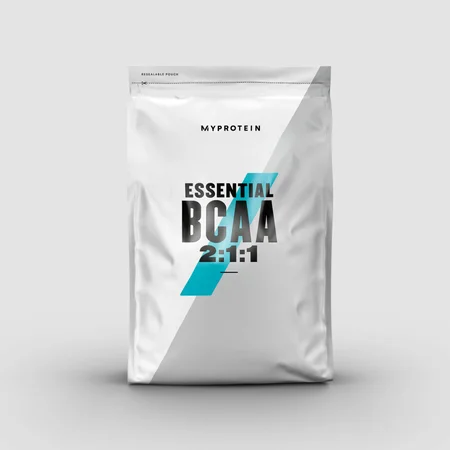
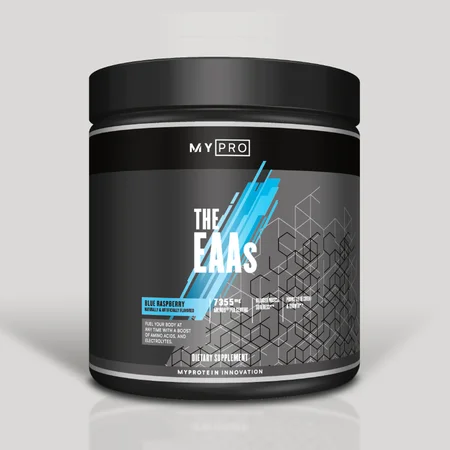
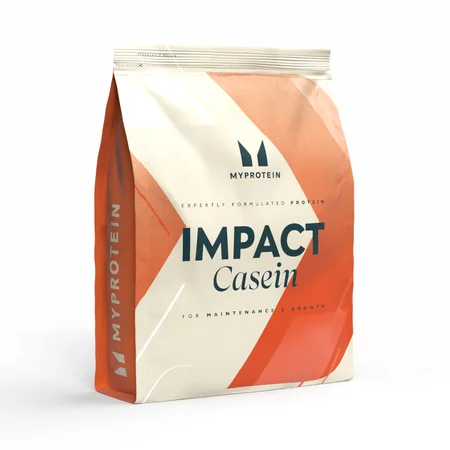
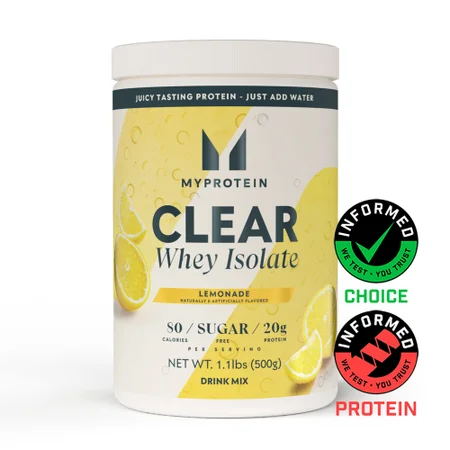
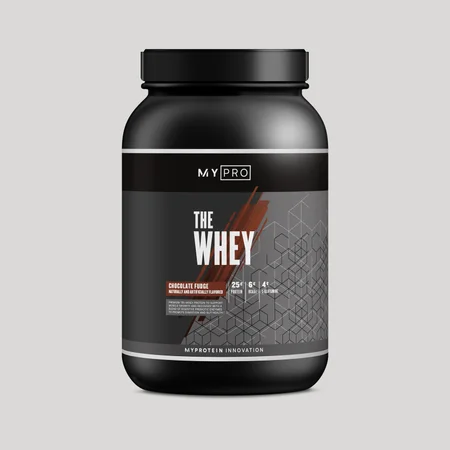
Shop Recovery & Build Supplements at Myprotein
After pushing through an intense workout, your muscles need the right nutrition to repair and grow stronger. Recovery and build supplements provide the essential amino acids and protein your body uses during the post-training period.
From BCAAs and EAAs to slow-release casein, these products deliver targeted nutrition when your muscles need it most. Whether you train first thing in the morning or late at night, there's a recovery option that fits your schedule and goals.
Who Recovery & Build Supplements Are For
These supplements suit anyone following a structured training programme, from gym beginners to experienced athletes. If you're lifting weights, doing resistance training, or engaging in high-intensity exercise, recovery nutrition becomes particularly relevant.
Athletes training multiple times per day often prioritise recovery supplements to support their demanding schedules. Busy professionals who struggle to eat complete meals immediately after training also find these convenient formats helpful.
When to Use Recovery & Build Supplements
Many people take recovery supplements within the first hour after training, though the exact timing depends on your overall daily protein intake. Post-workout is a popular window, but consistency across the day matters more than hitting a specific minute.
Slow-release proteins like casein work well before bed, providing a steady supply of amino acids overnight. BCAAs and EAAs can be taken during training, immediately after, or between meals to top up your amino acid intake throughout the day.
Recovery & Build Supplement Benefits
Complete Amino Acid Profiles
Products like THE EAAs deliver all nine essential amino acids that your body cannot produce on its own. These building blocks form the foundation of muscle protein, making them central to any training-focused nutrition plan.
Convenient Protein Delivery
Powder formats dissolve quickly in water, giving you a portable protein source that doesn't require refrigeration or preparation. This convenience helps you maintain consistent protein intake even on busy training days.
Supports Muscle Mass Goals
Protein contributes to the growth and maintenance of muscle mass1. By providing high-quality protein sources in measured servings, these supplements make it easier to meet your daily protein targets alongside whole food meals.
Flexible Dosing Options
From quick-mixing powders to ready-to-drink formats, you can choose the option that fits your routine. Stack different products together or use them individually depending on your training intensity and dietary needs that day.
Popular Picks
Need versatile amino acids? Essential BCAA 2:1:1 Powder delivers protein gradually over several hours, making it a popular bedtime option. The slower digestion rate means amino acids continue entering your bloodstream while you sleep.
FAQs
What are recovery and build supplements?
Recovery and build supplements are products designed to deliver protein and amino acids after training. They typically contain whey protein, casein, BCAAs (branched-chain amino acids), or EAAs (essential amino acids) in powder or ready-to-drink formats.
These products provide concentrated sources of the building blocks your muscles use during the repair process. They're formulated for convenience, allowing you to meet protein targets without preparing full meals immediately after exercise.
How do BCAAs differ from EAAs?
BCAAs contain three specific amino acids: leucine, isoleucine and valine. These are called ”branched-chain” due to their molecular structure, and they're part of the nine essential amino acids your body cannot make on its own.
EAA supplements provide all nine essential amino acids, including the three BCAAs plus histidine, lysine, methionine, phenylalanine, threonine and tryptophan. If you're choosing between them, consider that EAAs offer a complete essential amino acid profile whilst BCAAs focus on just the three branched-chain varieties.
What's the difference between whey protein and casein?
Whey protein digests relatively quickly, typically within 1-2 hours, delivering amino acids rapidly into your bloodstream. This makes it popular immediately after training when people want fast nutrition delivery.
Casein digests more slowly, releasing amino acids gradually over several hours. Many athletes take casein before bed to provide sustained amino acid availability overnight, though both proteins contribute to the growth and maintenance of muscle mass1 regardless of timing.
When should I take recovery supplements?
Most people take recovery supplements within an hour or two after training, though research shows that total daily protein intake matters more than precise timing. If you've eaten a protein-rich meal before training, the immediate post-workout window becomes less critical.
For casein products, before bed is a common choice due to their slow-release nature. BCAAs and EAAs work well during training, immediately after, or between meals when you need a quick amino acid top-up without a full shake.
How much protein do I need for muscle recovery?
Protein requirements vary based on body weight, training intensity, and overall goals. Most research suggests 1.6-2.2g of protein per kilogram of body weight daily for those doing regular resistance training.
Rather than focusing only on post-workout nutrition, aim to distribute protein evenly across your meals throughout the day. Recovery supplements help you reach these daily targets, especially on busy days when preparing complete meals proves challenging.
Can I stack different recovery supplements together?
Yes, many people combine products like protein powder with creatine, or add BCAAs to their intra-workout drink alongside a post-workout protein shake. Just account for the total protein and amino acids you're consuming to avoid unnecessary duplication.
If you're taking a complete protein powder that already contains all amino acids, adding separate BCAAs provides minimal additional benefit since the protein already includes them. Focus on reaching your daily protein target through a combination of whole foods and supplements that fit your routine.
Who developed Myprotein's recovery supplements?
Myprotein's expert nutritionists developed these recovery formulas, working with sports nutrition specialists to create products that meet the needs of athletes at different training levels. The team focuses on evidence-based formulations using quality ingredients.
Product development involves testing different amino acid ratios, protein blends and flavour profiles to find combinations that deliver both nutritional value and taste. The range continues to expand based on customer feedback and emerging research in sports nutrition.
Do these products have third-party testing?
Many Myprotein products carry Informed-Sport certification, which means they've been tested for banned substances by an independent laboratory. This third-party verification provides additional assurance for competitive athletes subject to anti-doping regulations.
Look for the Informed-Sport logo on individual product pages to confirm which items have undergone this testing process. The certification involves regular batch testing throughout the year, not just one-time verification.
What's the best way to mix protein powder?
Most protein powders dissolve best when you add powder to liquid rather than liquid to powder. Use a shaker bottle with a blender ball or wire whisk insert, and shake vigorously for 10-15 seconds until fully mixed.
Water creates the leanest shake with fewest additional calories, whilst milk adds extra protein and a creamier texture. Some people prefer mixing powder with oat milk or almond milk depending on their dietary preferences and macronutrient targets for that meal.
How should I store recovery supplements?
Keep powder supplements in a cool, dry place away from direct sunlight. Seal bags or tubs properly after each use to prevent moisture getting in, which can cause clumping.
Don't store powders in humid environments like bathrooms or near kettles where steam exposure is likely. Most products remain fresh for months when stored correctly, but always check the best-before date and look for any changes in colour, smell or texture that might indicate degradation.
1. Protein contributes to the growth and maintenance of muscle mass.