Amino Acids
5 Results
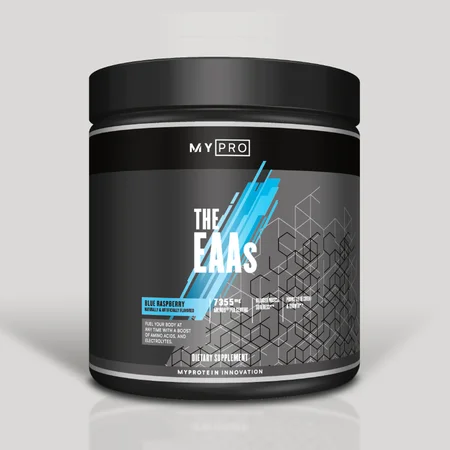
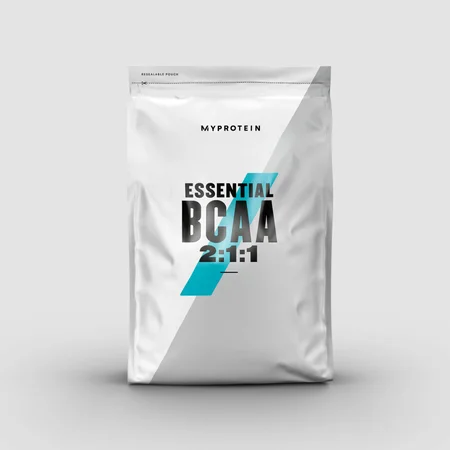
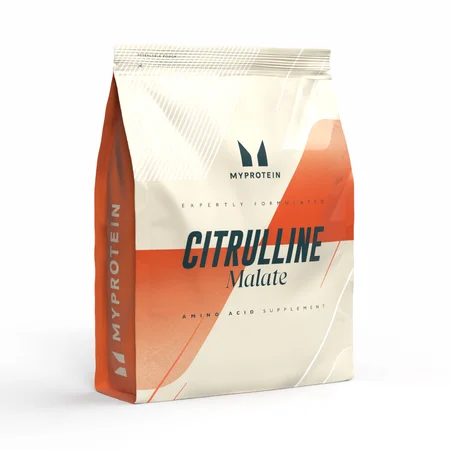
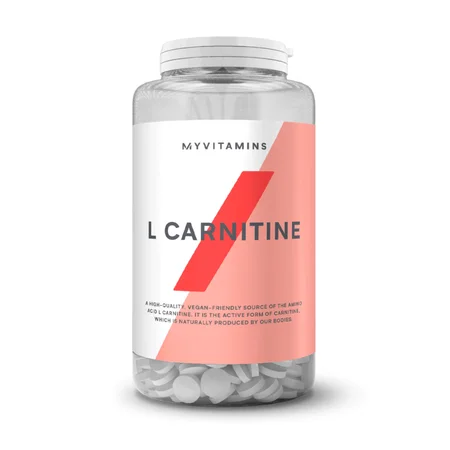
Shop Amino Acids at Myprotein
Amino acids are the building blocks of protein, essential organic compounds that form the foundation of muscle tissue and countless biological processes. There are 20 different amino acids that combine in various sequences to create proteins, with nine classified as essential because your body can't produce them independently. Whether you're looking for individual amino acids like glutamine and citrulline malate, or complete blends like BCAAs and EAAs, you'll find a comprehensive range of amino acid supplements designed to fit your training routine.
Our amino acid collection includes powders, tablets, and ready-to-drink formats to suit different preferences and lifestyles. From pre-workout formulas containing performance-focused amino acids to post-training blends featuring essential amino acids, each product is crafted by Myprotein's expert nutritionists using quality ingredients. Many of our amino acid supplements are Informed Sport certified, meaning they've been tested for banned substances to give athletes peace of mind.
Who Amino Acids Are For
Amino acid supplements suit anyone following a structured training program, from gym newcomers to experienced athletes. People who train regularly often include amino acids in their supplement stack alongside protein powder and creatine. Vegetarians and vegans may find amino acid supplements particularly useful for ensuring they're getting adequate amounts of all essential amino acids, especially if their diet contains limited protein variety.
Endurance athletes, strength trainers, and those following intensive workout schedules commonly use amino acid products as part of their daily routine. If you're someone who trains fasted, travels frequently, or struggles to meet protein requirements through whole foods alone, amino acid supplements offer a convenient solution. They're also popular with individuals following calorie-controlled diets who want to maintain their protein intake without adding significant calories.
When to Use Amino Acids
The timing of amino acid supplementation depends on the specific product and your training schedule. Many people take BCAA or EAA supplements before, during, or after workouts as part of their training routine. Pre-workout formulas containing amino acids like citrulline malate are typically consumed 20-30 minutes before exercise, while post-workout blends are often taken immediately after training sessions.
Individual amino acids like glutamine or L-carnitine can be taken at various points throughout the day, depending on personal preference and routine. Some prefer taking amino acids first thing in the morning, particularly on training days, while others incorporate them into their post-workout shake. Amino acid supplements in powder form mix easily with water or juice, making them simple to consume whenever suits your schedule best.
Amino Acids Benefits
Complete Protein Building Blocks
Amino acids combine to form complete proteins in your body. Essential amino acids (EAAs) include all nine amino acids your body can't produce independently, while branched-chain amino acids (BCAAs) comprise three specific essential amino acids: leucine, isoleucine, and valine. Protein contributes to the growth and maintenance of muscle mass1, making amino acid intake important for anyone training regularly.
Convenient Supplementation Format
Amino acid supplements offer a quick, portable way to increase your amino acid intake without preparing meals or consuming full protein servings. Powders dissolve instantly in water, tablets can be taken on the go, and ready-to-drink formats require zero preparation. This convenience makes amino acid products practical for busy schedules, travel, or situations where consuming whole food protein isn't feasible.
Flexible Dosing Options
Different amino acid products allow you to customize your supplementation based on specific needs and preferences. Individual amino acids let you target particular compounds, while complete EAA or BCAA blends provide broader amino acid profiles. Powder formats offer adjustable serving sizes, and tablet forms provide precise, pre-measured doses. This flexibility means you can adapt your amino acid intake to match your training intensity and dietary requirements.
Low-Calorie Protein Alternative
Pure amino acid supplements typically contain minimal calories compared to protein-rich whole foods or protein powders. A serving of BCAA or EAA powder usually provides fewer than 20 calories, making amino acid supplements useful for those monitoring calorie intake while still wanting to maintain adequate protein consumption. This low-calorie profile makes amino acids particularly popular during cutting phases or calorie-restricted diets.
Popular Picks
Want a classic BCAA formula? Essential BCAA 2:1:1 Powder - Available in liquid, tablet, and powder formats, this amino acid derivative is popular with athletes and gym-goers. The liquid format offers quick absorption, while tablets provide convenient pre-measured servings.
FAQs
What are amino acids?
Amino acids are organic compounds that combine to form proteins in your body. There are 20 different amino acids in total, categorised into essential amino acids (which your body can't produce and must come from diet or supplements), non-essential amino acids (which your body can synthesise), and conditionally essential amino acids (which become essential under certain circumstances like illness or stress).
The nine essential amino acids are histidine, isoleucine, leucine, lysine, methionine, phenylalanine, threonine, tryptophan, and valine. Protein contributes to the growth and maintenance of muscle mass1, and amino acids are the individual components that form these proteins.
What's the difference between BCAAs and EAAs?
BCAAs (branched-chain amino acids) contain three specific essential amino acids: leucine, isoleucine, and valine. These three amino acids have a branched molecular structure and are among the nine essential amino acids. EAAs (essential amino acids) contain all nine essential amino acids that your body can't produce independently, which includes the three BCAAs plus histidine, lysine, methionine, phenylalanine, threonine, and tryptophan.
while BCAA supplements focus on these three specific amino acids, EAA supplements provide a complete essential amino acid profile. Both are available in powder and tablet formats, with EAA products typically containing a broader spectrum of amino acids compared to BCAA-only formulas.
How do I choose between amino acid powder and tablets?
Amino acid powders offer flexibility in dosing and typically mix easily with water or other beverages, making them popular for consumption during workouts. They're available in various flavors and unflavoured options, allowing you to customize taste preferences. Powders generally provide larger serving sizes per scoop and can be more economical for regular users.
Amino acid tablets provide pre-measured doses that are convenient for travel and situations where mixing powder isn't practical. They require no preparation and can be taken discreetly anywhere. The choice often comes down to personal preference, lifestyle, and when you plan to take your amino acid supplement.
Can I take different amino acid supplements together?
Individual amino acid supplements can generally be combined, though it's sensible to consider total dosages across all products. If you're taking a pre-workout formula containing citrulline malate and BCAAs, adding a separate BCAA supplement means you'll be consuming additional amounts of leucine, isoleucine, and valine from both products.
Many people structure their supplement routine to include different amino acid products at specific times: perhaps citrulline malate pre-workout, BCAAs intra-workout, and glutamine post-workout. Reading product labels helps you understand what each supplement contains and avoid unintentional excessive intake of individual amino acids.
What forms do amino acid supplements come in?
Amino acid supplements are available in several formats to suit different preferences and situations. Powders are the most common form, offering flavored and unflavoured options that dissolve in water or mix into shakes. Tablets and capsules provide pre-measured, convenient servings that require no mixing. Ready-to-drink amino acid beverages offer ultimate convenience for on-the-go consumption.
Some amino acids like L-carnitine also come in liquid form for faster absorption. The format you choose typically depends on when and where you plan to take your amino acid supplement, with powders popular for gym use and tablets preferred for travel or office environments.
Who developed these amino acid products?
Myprotein's range of amino acid supplements has been developed by our expert nutritionists who specialize in sports nutrition and supplementation. Our product development team formulates amino acid blends based on scientific research and athlete feedback, ensuring dosages and ratios meet the needs of people following training programs.
Many products in our amino acid range are Informed Sport certified, meaning they've undergone rigorous testing for banned substances. This certification provides assurance to competitive athletes and anyone concerned about supplement quality and safety.
How do amino acid supplements fit into a nutrition plan?
Amino acid supplements are designed to complement a balanced diet, not replace whole food protein sources. They're particularly useful for increasing amino acid intake around training sessions, during periods of restricted eating, or when consuming adequate protein through meals alone is challenging. Protein contributes to the maintenance of muscle mass1, and amino acid supplements offer one way to support your protein intake.
Most people who use amino acid supplements also consume protein powder, eat protein-rich foods like meat, fish, eggs, and legumes, and follow a structured nutrition plan aligned with their training goals. Amino acid products work as part of this broader nutritional strategy rather than as standalone solutions.
What are Informed Sport certified amino acid supplements?
Informed Sport is a quality assurance program that tests sports nutrition products for banned substances on the World Anti-Doping Agency (WADA) prohibited list. Amino acid supplements carrying the Informed Sport logo have been batch-tested to ensure they don't contain substances prohibited in competitive sport. This certification matters to professional athletes, amateur competitors, and anyone who values third-party tested supplements.
Several products in our amino acid range carry Informed Sport certification, including THE Pre-Workout and various BCAA and EAA formulas. The certification mark appears on product packaging and listings, making it easy to identify tested products when browsing our amino acid collection.
What's the difference between essential and non-essential amino acids?
Essential amino acids are nine specific amino acids your body can't synthesise, meaning you must obtain them from dietary protein or supplements. These include leucine, isoleucine, valine, lysine, methionine, phenylalanine, threonine, tryptophan, and histidine. Without adequate intake of all nine essential amino acids, your body can't form complete proteins.
Non-essential amino acids can be produced by your body from other compounds, so dietary intake isn't strictly necessary (though you still consume them through protein-containing foods). These include alanine, asparagine, aspartic acid, and glutamic acid. Conditionally essential amino acids like glutamine become essential during stress, illness, or intense training when your body's demand exceeds its production capacity.
Can amino acid supplements be used by vegetarians and vegans?
Most amino acid supplements are suitable for vegetarians and vegans, as the amino acids are typically produced through fermentation processes rather than derived from animal sources. Product labels and online listings specify whether individual amino acid supplements are vegetarian or vegan-friendly, with many in our range suitable for plant-based diets.
Amino acid supplements can be particularly useful for people following vegetarian or vegan diets, as they provide a convenient way to ensure adequate intake of all essential amino acids. This matters especially for vegans whose plant-based protein sources may lack one or more essential amino acids in optimal amounts.
1. Protein contributes to the growth and maintenance of muscle mass.