Dairy-Free Protein Powders
5Results
Shop Dairy-Free Protein Powders at Myprotein
Whether you're managing lactose intolerance, following a dairy-free diet, or simply exploring alternative protein sources, dairy-free protein powders deliver the nutrition you need without compromise. From plant-based options like pea and soy to naturally dairy-free collagen, these powders provide convenient, high-quality protein to support your goals.
Every formula in our dairy-free range is crafted to deliver exceptional taste and mixability whilst meeting your dietary requirements. With options spanning smooth isolates to complete protein blends, you'll find the perfect match for your training routine and lifestyle.
Who Dairy-Free Protein Powders Are For
These powders suit anyone avoiding dairy, whether due to lactose intolerance, milk protein sensitivity, or personal dietary choices. They're equally valuable for vegans seeking complete protein sources and those exploring gut-friendly alternatives to whey.
From strength athletes to endurance runners, dairy-free options deliver the protein your muscles need without digestive compromise. They're also ideal if you're managing your diet around multiple food sensitivities or following elimination protocols.
When to Use Dairy-Free Protein Powders
Post-workout remains the most popular time, when your muscles are primed for amino acid delivery. Mix your preferred powder with water or plant-based milk within 30-60 minutes of finishing your session for optimal convenience.
Many people also use dairy-free powders as breakfast boosters or between-meal protein hits. The versatility extends to baking too – blend them into pancakes, energy balls, or protein-enriched smoothie bowls throughout your day.
Dairy-Free Protein Powders Benefits
Complete Protein Without Dairy
Modern dairy-free powders provide all essential amino acids your body needs, with protein contributing to the growth and maintenance of muscle mass1. Plant blends combine complementary sources to deliver complete amino acid profiles that rival traditional dairy proteins.
Digestive Comfort
Without lactose or casein, these powders often prove easier on sensitive stomachs. Many users report less bloating and better overall comfort, particularly those who've struggled with dairy-based supplements in the past.
Flexible Dietary Integration
Whether you're vegan, following allergen-free protocols, or simply prefer plant nutrition, dairy-free powders slot seamlessly into your routine. They're naturally cholesterol-free and often lower in saturated fat than dairy equivalents.
Sustainable Protein Choices
Plant-based proteins typically require fewer resources to produce than dairy options. Choosing pea, soy, or hemp protein can align your nutrition with environmental values without sacrificing performance outcomes.
Popular Picks
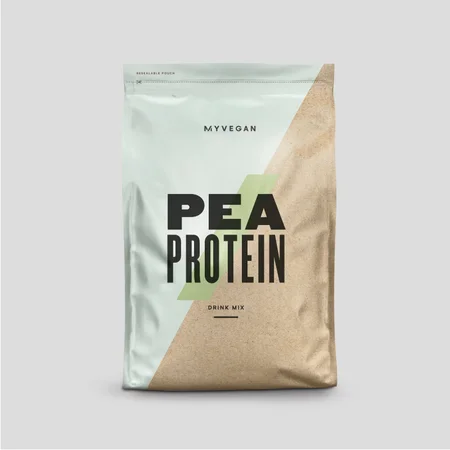
Looking for pure plant power? Pea Protein Isolate combines pea and faba bean protein for 22g per serving. The dual-source approach ensures comprehensive amino acid coverage in every scoop.
FAQs
What is dairy-free protein powder?
Dairy-free protein powder contains no lactose, casein, whey, or any milk-derived ingredients. These formulas source their protein from plants (like pea, soy, rice, or hemp), collagen from animal sources, or other non-dairy options. They're designed for anyone avoiding dairy due to intolerance, allergy, dietary preference, or lifestyle choice.
What's the difference between dairy-free and lactose-free protein powder?
Lactose-free protein powders are still dairy-based – they're typically whey or casein with the lactose sugar removed through processing. Dairy-free powders contain zero milk-derived ingredients whatsoever, making them suitable for milk protein allergies, vegan diets, and those avoiding all forms of dairy.
If you're lactose intolerant but can handle milk proteins, lactose-free whey works fine. If you're vegan or allergic to milk proteins, you need genuinely dairy-free options like pea or soy.
Which dairy-free protein powder is best?
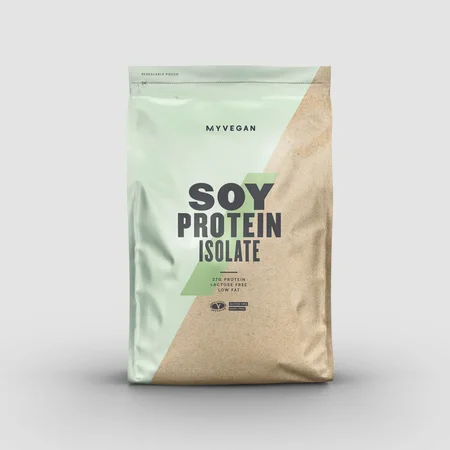
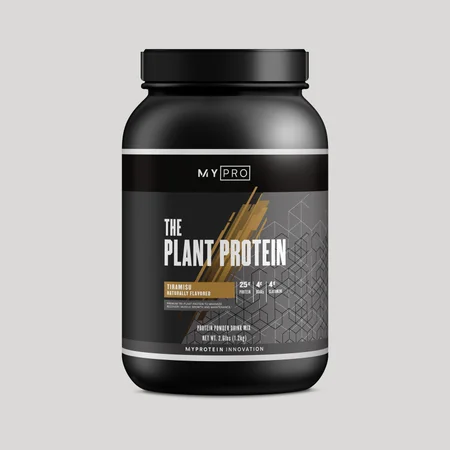
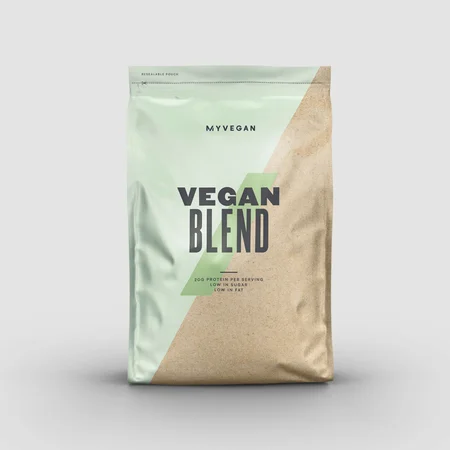
The best choice depends on your specific needs. Pea Protein Isolate offers excellent digestibility and a neutral base for flavouring. Soy Protein Isolate provides the most complete amino acid profile among single-source plant proteins. THE Plant Protein and Vegan Protein Blend combine multiple sources for comprehensive nutrition.
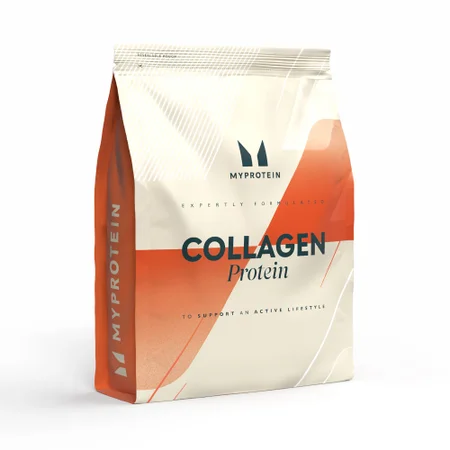
For those also targeting connective tissue support, Collagen Protein delivers unique amino acids whilst remaining dairy-free. Consider your taste preferences, texture requirements, and whether you need a complete amino acid profile from a single source or blend.
Do dairy-free protein powders work as well as whey?
Modern dairy-free powders provide comparable protein quality when chosen strategically. Soy protein is a complete protein with all essential amino acids, whilst pea protein is rich in branched-chain amino acids. Blends that combine complementary sources deliver amino acid profiles that match or exceed whey's completeness.
The key difference lies in digestion speed – some plant proteins absorb slightly slower than whey isolate. However, this doesn't impact your overall muscle protein synthesis over a 24-hour period when you're consuming adequate total protein.
How do I use non-dairy protein powder?
Mix one serving (typically 25-30g) with 200-300ml water, plant-based milk, or your preferred liquid in a shaker. Most people consume their shake within an hour after training, though you can use it anytime you need convenient protein – breakfast, between meals, or before bed.
For smoother texture with plant proteins, try blending rather than shaking, or let your shake sit for a minute after mixing. You can also bake with dairy-free powders or add them to porridge and smoothie bowls.
Are dairy-free protein powders suitable for vegans?
Most are, but not all. Pea, soy, hemp, rice, and plant blends are completely vegan. However, Collagen Protein derives from animal sources (bovine or marine), making it unsuitable for vegans despite being dairy-free. Always check the individual product specification to confirm vegan status.
Can I use dairy-free protein powder if I'm not lactose intolerant?
Absolutely. Many people choose dairy-free options for environmental reasons, taste preferences, or simply to diversify their protein sources. There's no requirement to be lactose intolerant or allergic to benefit from plant-based or collagen proteins.
Some athletes rotate between dairy and dairy-free powders to prevent potential sensitivities from developing and to vary their nutrient intake throughout the week.
Do dairy-free protein powders taste different from whey?
Plant proteins generally have earthier, nuttier base notes compared to whey's creamy profile. Modern flavouring technology has dramatically improved taste across the dairy-free category, with chocolate and vanilla variants proving particularly popular. Pea protein tends toward neutral when unflavoured, whilst soy can be slightly beany without proper flavouring.
Texture also differs slightly – plant proteins can be less instantly smooth than whey isolate, though blends and modern processing techniques have narrowed this gap considerably.
Who develops Myprotein's dairy-free protein powders?
Myprotein's expert nutritionists formulate all our dairy-free range, combining sports science research with practical athlete feedback. Each powder undergoes rigorous quality testing to ensure it meets our standards for protein content, amino acid profile, and manufacturing purity.
Can I mix different dairy-free protein powders together?
Yes, blending different dairy-free powders can actually be beneficial. Combining pea and rice protein, for example, creates a more complete amino acid profile than either alone. Many people mix collagen with plant proteins to get both muscle-supporting and connective-tissue-supporting amino acids in one shake.
Experiment with ratios to find your preferred taste and texture balance whilst maximising nutritional coverage.
1. Protein contributes to the growth and maintenance of muscle mass.