Weight Loss Supplements
We’re here to support your weight loss journey with our great range of cutting-edge supplements. Check out our selection of shakes, pills, and tablets to kick-start your new fitness routine.
6 Results
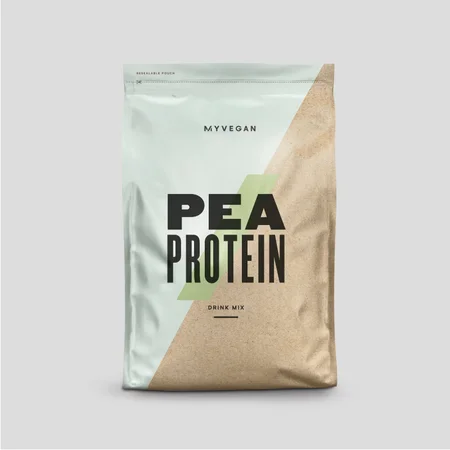
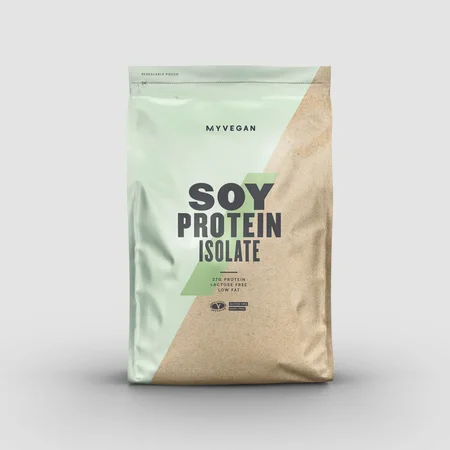
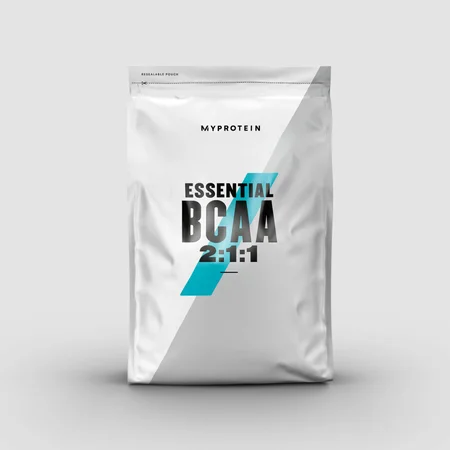
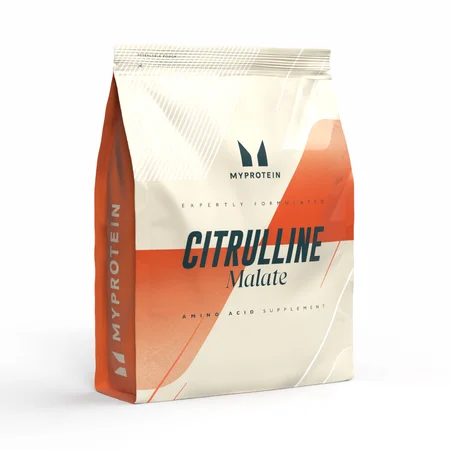
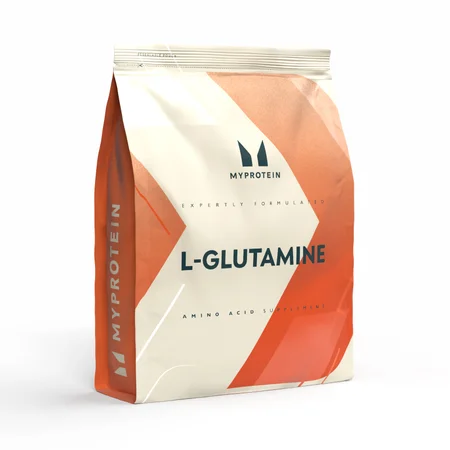
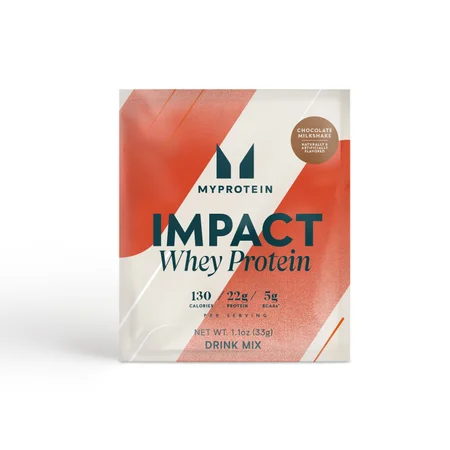
Shop Weight Loss Supplements at Myprotein
Finding the right support for your weight management journey starts with understanding what your body needs. Weight loss supplements come in different forms, from protein powders that fit into energy-restricted diets to amino acid blends designed for training sessions. The key is choosing products that align with your nutritional goals and daily routine.
At Myprotein, the range includes meal replacement options, plant-based proteins, and targeted amino acid formulas. Each product is developed by expert nutritionists to meet specific dietary needs, whether you're following a calorie-controlled plan or looking for convenient nutrition between meals. Quality ingredients and transparent labelling help you make informed choices about what goes into your body.
Who Should Try These
Weight loss supplements work for anyone following an energy-restricted diet who wants structured nutritional support. They're particularly useful for people managing portion control, tracking macros, or needing convenient options when preparing fresh meals isn't practical. Meal replacements, for example, take the guesswork out of calorie counting while providing balanced nutrition.
Active individuals combining weight management with regular training often turn to protein supplements to support their muscle mass goals1. Plant-based proteins suit those following vegan or vegetarian diets, while amino acid powders appeal to people focusing on recovery nutrition. The flexibility of powder formats means you can adjust serving sizes to fit your specific calorie targets.
When to Use Weight Loss Supplements
Timing depends on the type of supplement and your daily structure. Meal replacement products work best when substituting one or two daily meals of an energy-restricted diet - morning and midday are popular choices for maintaining routine while controlling calories2. Protein powders fit naturally after workouts or as part of balanced meals throughout the day.
Amino acid supplements like glutamine and BCAAs are typically taken around training sessions, though exact timing varies by personal preference. Citrulline malate often features in pre-workout nutrition routines. The key is consistency - whatever schedule you choose, sticking to it helps you track progress and maintain the habits that support your weight management goals.
Weight Loss Supplements Benefits
Convenient Calorie Control
Meal replacement products provide precise calorie counts per serving, removing the uncertainty from portion sizes. This makes tracking daily intake straightforward, especially when you're busy or eating on the go. Pre-portioned nutrition saves time and mental energy compared to weighing every ingredient.
Protein-Rich Nutrition
Protein contributes to the maintenance of muscle mass1, which matters when following calorie-restricted eating patterns. High-protein supplements help you meet daily protein targets without excessive calories from other macronutrients. Plant-based options like pea and soy protein isolate offer complete amino acid profiles for those avoiding animal products.
Flexible Formats
Powder supplements mix into shakes, smoothies, or recipes, adapting to different taste preferences and dietary needs. Tablets and capsules suit people who prefer simple supplementation without preparation. This versatility means you can maintain your nutrition plan whether you're at home, work, or traveling.
Amino Acid Support
Standalone amino acids like glutamine, BCAAs, and citrulline are popular with people who train regularly. Glutamine is the most abundant amino acid in muscle tissue, while BCAAs include three essential amino acids that form part of protein. These supplements integrate into training-focused nutrition strategies alongside whole food sources.
Popular Picks
Looking for plant-based protein? Pea Protein Isolate provides leucine, isoleucine, and valine - three of the nine essential amino acids. The 2:1:1 ratio is the most commonly used formulation, and it's available in multiple flavors to suit different preferences.
FAQs
What are weight loss supplements?
Weight loss supplements encompass products designed to support energy-restricted diets, including meal replacements, protein powders, and amino acid formulas. Meal replacement products substitute one or two daily meals while providing balanced nutrition2. Protein supplements help maintain adequate protein intake during calorie-controlled eating, and amino acid products cater to specific training nutrition needs.
How do I choose the right supplements for weight loss?
Start by identifying your primary goal - are you replacing meals, increasing protein intake, or supporting training sessions? Meal replacements suit people wanting structured calorie control with complete nutrition. Protein powders work well for hitting protein targets without excess calories, with plant-based options available for vegan diets.
Consider format preferences too. Powders offer flexibility in portion sizes and can mix into various recipes. Tablets provide convenience for people who prefer minimal preparation. Check the nutritional information to ensure products fit your daily calorie and macro targets.
Can I use meal replacement supplements for weight management?
Meal replacement products are specifically formulated to substitute meals within an energy-restricted diet. Substituting two daily meals contributes to weight loss, while replacing one daily meal contributes to weight maintenance after initial weight loss2,3. Each serving provides balanced nutrition including protein, carbohydrates, fats, vitamins, and minerals in controlled calorie portions.
The key is using them consistently as part of an overall calorie-controlled eating plan. They work best when you also focus on nutritious whole foods for remaining meals and maintain regular physical activity.
What's the difference between plant-based and whey protein for weight management?
Both plant-based proteins like pea and soy isolate and whey protein contribute to muscle mass maintenance1 while providing high protein content per calorie. Plant proteins suit vegan and vegetarian diets, while whey comes from dairy. Nutritionally, quality plant proteins offer complete amino acid profiles comparable to animal sources.
The choice often comes down to dietary preferences, taste preferences, and how your body responds to different protein sources. Both types mix into shakes and recipes, making them equally versatile for weight management nutrition plans.
How much protein do I need when following a calorie-restricted diet?
Protein requirements vary based on body weight, activity level, and specific goals. Many nutritionists recommend higher protein intakes during weight loss to support muscle mass maintenance1. Protein supplements make it easier to reach daily targets without consuming excessive calories from other nutrients.
Calculate your needs based on your weight and activity level, then use supplements to fill gaps between whole food protein sources. Spreading protein intake across multiple meals throughout the day typically works better than consuming large amounts in single servings.
What are BCAAs and glutamine used for?
BCAAs (branched-chain amino acids) include leucine, isoleucine, and valine - three of the nine essential amino acids your body cannot produce. They're components of protein and are often taken around training sessions. Glutamine is the most abundant amino acid in muscle tissue and is popular with people following structured training programs.
Both are available in powder form for flexible dosing and can be mixed with water, protein shakes, or other beverages. Many people include them in their supplement stack alongside protein and meal replacements.
Who developed the weight loss supplements at Myprotein?
Myprotein's expert nutritionists develop all supplements in the range, focusing on quality ingredients, transparent labelling, and formulations that meet specific dietary needs. The team considers factors like nutritional completeness, ingredient sourcing, taste, and mixability when creating products.
Each supplement undergoes quality testing to ensure it meets the nutritional information stated on the label. This expert development process means you're getting products designed with both nutrition science and practical use in mind.
Can I combine different supplements for weight management?
Many people use multiple supplements together - for example, a meal replacement for breakfast, protein powder after training, and amino acids during workouts. This approach lets you tailor nutrition to different times of day and specific needs. Just ensure your combined intake fits within your overall calorie and macro targets.
Start with one or two core products, then add others based on gaps in your nutrition plan. Track everything to avoid accidentally exceeding calorie goals, and adjust portions as needed to maintain the energy deficit required for weight loss.
What formats do weight loss supplements come in?
Powders are the most versatile format, mixing into shakes, smoothies, oatmeal, or baking recipes. They allow precise portion control and come in various flavors or unflavoured options. Tablets and capsules offer grab-and-go convenience for amino acids and other targeted supplements.
Ready-to-drink options exist for some products, though powders generally provide better value and flexibility. Choose based on your lifestyle - if you're always on the move, tablets might suit better, while home preparation favours powders.
How do I incorporate supplements into an energy-restricted diet?
Track the calories and macros from supplements just like any other food. Meal replacements simplify this by providing complete nutritional information per serving. Protein powders typically contain 80-90 calories per 25g serving, making them efficient protein sources that don't consume large portions of your calorie budget.
Plan your day around whole foods first, then use supplements to fill nutritional gaps or replace meals strategically. This ensures you're getting varied nutrition from real food while benefiting from the convenience and precision that supplements offer for weight management.
1. Protein contributes to the maintenance of muscle mass.
2. Substituting two daily meals of an energy restricted diet with meal replacements contributes to weight loss.
3. Substituting one daily meal of an energy restricted diet with a meal replacement contributes to the maintenance of weight after weight loss.