Cheap Whey Protein
22 Results
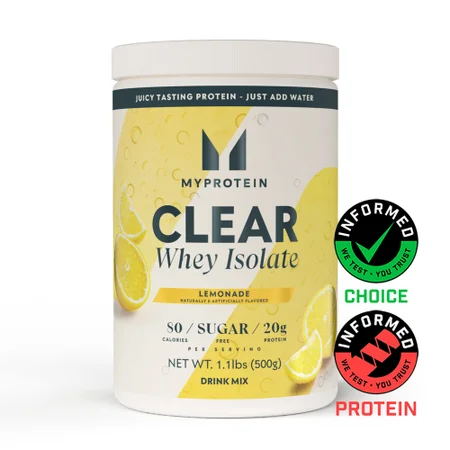


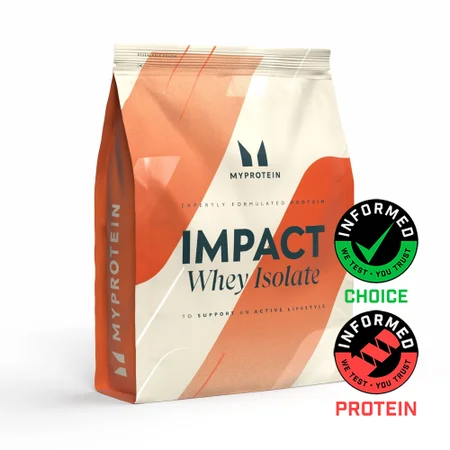
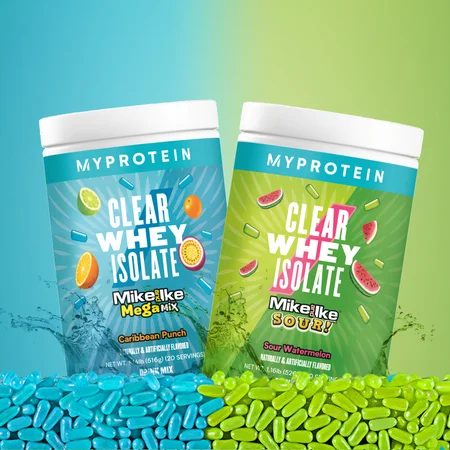
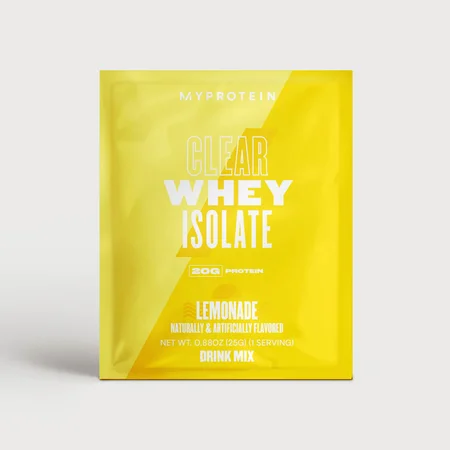
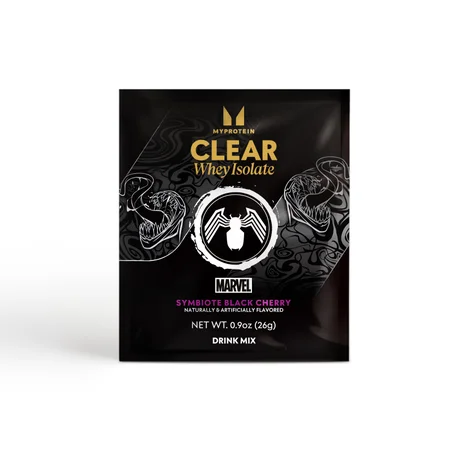
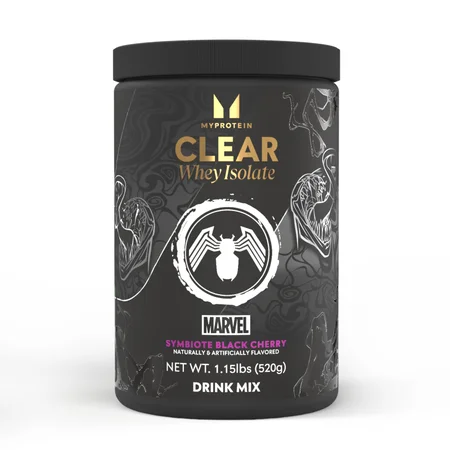
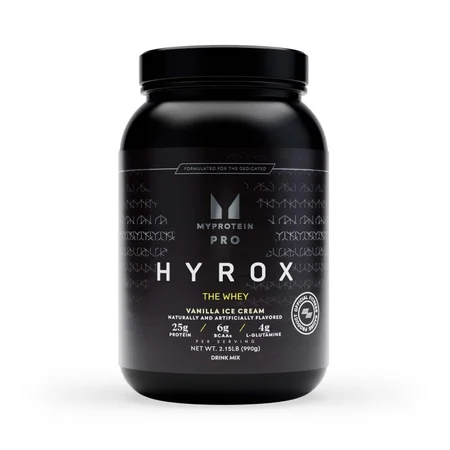
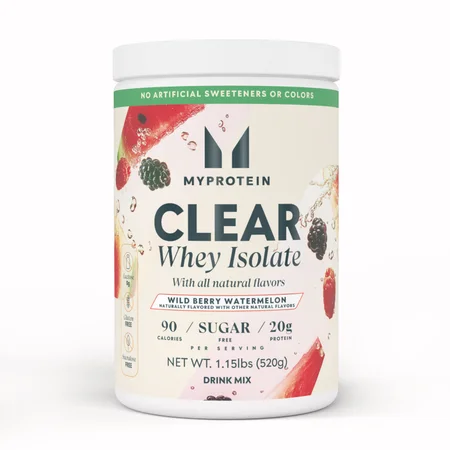
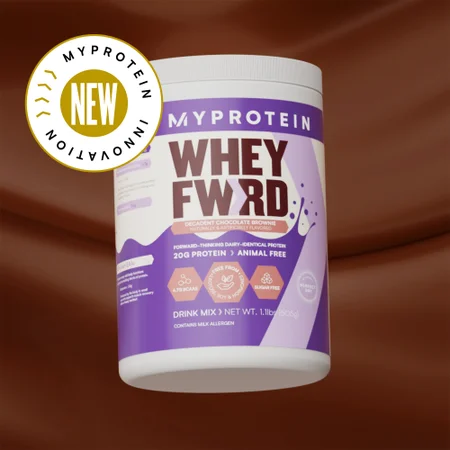
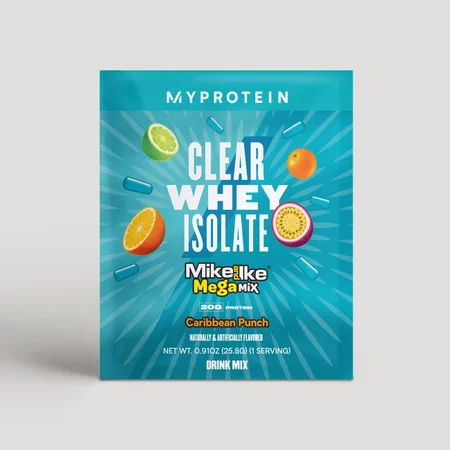
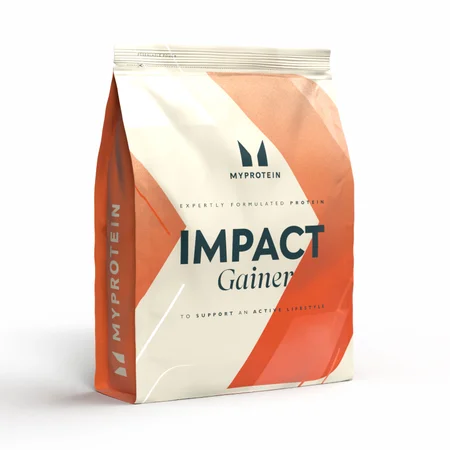
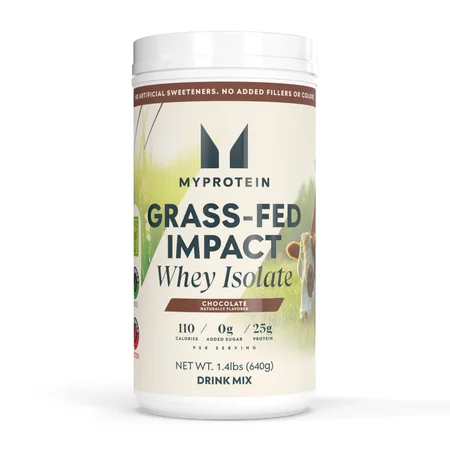
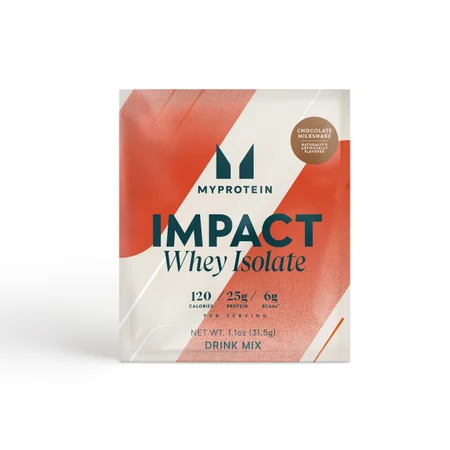
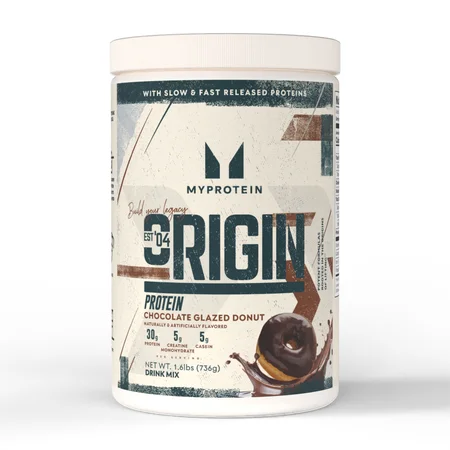
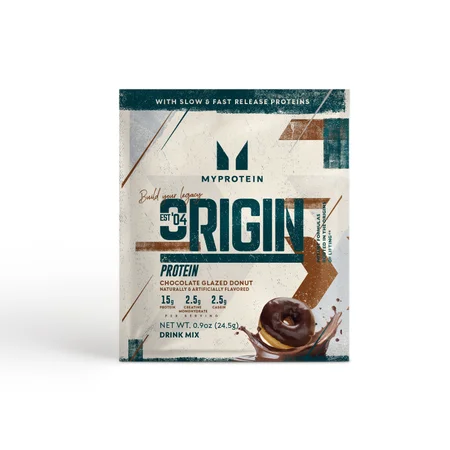
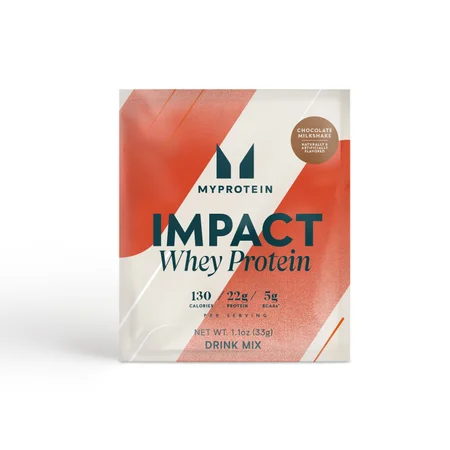
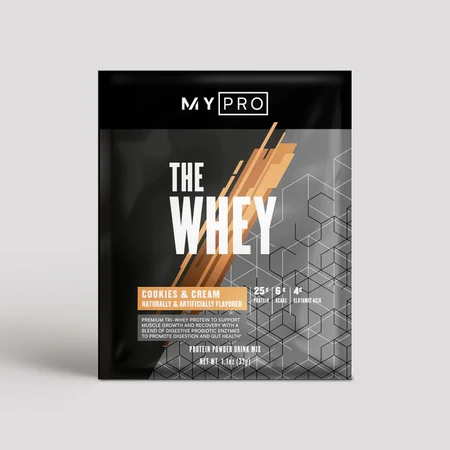
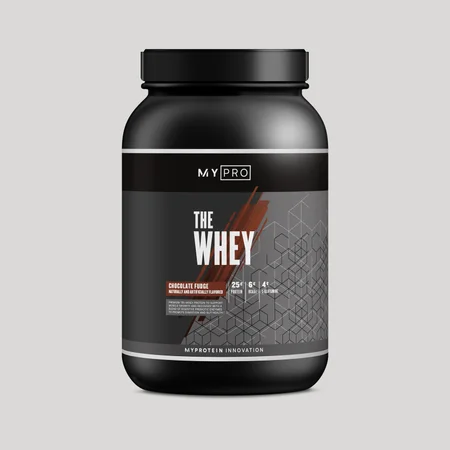
Shop Protein Shakes & Protein Powders at Myprotein
Protein shakes and protein powders have become essential nutrition tools for anyone serious about their training. Whether you're working toward muscle growth, managing your daily protein intake, or simply looking for a convenient way to meet your nutritional needs, protein supplements offer flexibility that whole foods alone can't always match. The market's evolved far beyond basic whey protein powder - you'll now find everything from clear whey isolate that drinks like fruit juice to plant-based options that deliver complete amino acid profiles.
Choosing the right protein supplement comes down to understanding what you actually need. Whey concentrate offers excellent value and a full spectrum of amino acids, while whey isolate provides faster absorption with minimal lactose. Vegan protein blends deliver plant-based alternatives without compromising on amino acid content. For those watching their budget, cheap whey protein options like Impact Whey Protein deliver the same quality protein content at an affordable price point - proof that effective supplementation doesn't require premium pricing. The key is matching the protein type to your specific goals, dietary requirements, and taste preferences.
Who Protein Shakes & Protein Powders Are For
These supplements suit anyone looking to increase their daily protein intake efficiently. Strength athletes and bodybuilders typically use protein powders to support their training programs, while endurance athletes benefit from the convenient post-workout nutrition. Office workers who struggle to fit proper meals into busy schedules find protein shakes solve the practical challenge of consistent nutrition throughout the day.
Vegetarians and vegans particularly benefit from protein supplements, as plant-based options help bridge potential gaps in amino acid intake. Those managing their calorie intake while maintaining adequate protein consumption find measured servings eliminate guesswork. Whether you're training five days a week or simply want to ensure you're meeting your body's protein requirements, there's a protein powder formulated for your specific needs.
When to Use Protein Shakes & Protein Powders
Post-workout remains the most popular timing for protein shakes, particularly within the first few hours after training when your body's primed for nutrition. Many athletes blend their protein powder with water immediately after finishing their session for quick absorption. Others prefer thicker shakes made with milk or plant-based alternatives as a more substantial recovery drink.
Breakfast protein shakes work brilliantly when you're short on time but need proper nutrition to start your day. Between-meal shakes help maintain consistent protein intake throughout the day, particularly during long gaps between proper meals. Some people find a protein shake before bed - using slower-digesting options like casein - fits naturally into their evening routine. The timing that works best depends entirely on your schedule, training pattern, and overall nutrition strategy.
Protein Shakes & Protein Powders Benefits
Supports Muscle Growth and Maintenance
Protein contributes to the growth and maintenance of muscle mass1, making these supplements valuable for anyone engaged in resistance training. Each serving delivers a concentrated dose of amino acids - the building blocks your muscles use during recovery and adaptation. Whey isolate and concentrate both provide complete amino acid profiles, while plant-based blends combine different protein sources to achieve similar completeness.
Convenient and Time-Efficient
Protein shakes take seconds to prepare and consume - a practical advantage when you're rushing between commitments. Carrying protein powder means you're never more than a shaker bottle and water source away from meeting your protein targets. This convenience proves particularly valuable during travel, long work days, or early morning training sessions when preparing whole food meals isn't realistic.
Versatile Nutrition Options
Modern protein powders extend far beyond basic chocolate and vanilla. Clear whey isolate offers a light, refreshing alternative that drinks more like a sports beverage than traditional shakes. Ready-to-drink protein bottles provide grab-and-go options that require zero preparation. You'll find formulations designed for specific dietary requirements - lactose-free, vegan, low-carb, or allergen-friendly - ensuring there's an option that fits your needs without compromise.
Cost-Effective Protein Source
Affordable whey protein delivers more protein per pound than most whole food sources, making it a budget-friendly option for consistent supplementation. Cheap whey protein powder options like Impact Whey Protein provide the same essential amino acids as premium alternatives, with the primary differences appearing in flavor variety or additional ingredients rather than core protein quality. When you calculate the cost per serving, even inexpensive whey protein often provides better value than purchasing equivalent amounts of protein from meat, fish, or other whole foods.
Popular Picks
New to protein supplements? Clear Whey Isolate (Sample) comes ready-mixed in portable bottles, requiring zero preparation. Just crack it open and you've got 20g of protein in a light, fruity drink that's perfect for keeping in your gym bag or office fridge.
FAQs
What's the difference between whey concentrate and whey isolate?
Whey concentrate typically contains 70-80% protein by weight, with the remainder consisting of small amounts of lactose, fat, and other milk components. Whey isolate undergoes additional processing to reach 90% protein content or higher, removing most lactose and fat in the process. This makes isolate a good option for those sensitive to lactose or wanting minimal calories from non-protein sources.
Both forms provide complete amino acid profiles and digest efficiently. The choice between them often comes down to budget - whey concentrate like Impact Whey Protein offers excellent value as cheap whey protein powder, while isolate costs slightly more for that extra purity and faster absorption rate.
How much protein powder should I use per serving?
Most protein powders recommend a 25-30g scoop, which typically delivers 20-25g of actual protein depending on the product concentration. Your total daily protein needs depend on your body weight, activity level, and specific goals - general guidance suggests anywhere from 1.2g to 2.2g of protein per kilogram of body weight.
Rather than fixating on powder amounts, focus on your total protein intake from all sources throughout the day. Protein shakes supplement your diet - they don't replace whole food meals. Use them strategically around training, during busy periods, or when whole food options aren't practical.
Can I use protein powder if I'm lactose intolerant?
Several options work well for those avoiding lactose. Whey isolate contains minimal lactose due to the additional filtration process, making it tolerable for many with mild sensitivities. Clear Whey Isolate undergoes even more processing, resulting in extremely low lactose content while maintaining that refreshing, light texture.
Plant-based protein powders eliminate dairy entirely, using sources like pea, rice, or hemp protein instead. These vegan options provide complete amino acid profiles when properly formulated, making them suitable alternatives that deliver comparable protein quality without any lactose concerns.
What makes affordable whey protein different from premium options?
The core protein content remains essentially identical - inexpensive whey protein and premium alternatives both deliver the same amino acids your body uses for muscle protein synthesis. Impact Whey Protein, for example, provides the same protein quality as higher-priced competitors, with differences appearing primarily in flavor variety, packaging, or additional ingredients like enzymes or extra vitamins.
Budget whey protein focuses on delivering essential nutrition without unnecessary extras. You're paying for pure protein content rather than marketing or fancy packaging. For most people focused on results rather than novelty flavors, cheap whey protein powder represents the smartest investment for consistent supplementation.
When's the best time to drink a protein shake?
Post-workout protein shakes have become standard practice because your body's primed for nutrition after training, but the "anabolic window" is wider than previously thought - several hours rather than the mythical 30-minute deadline. Drinking protein within a few hours of training works perfectly well for most people's goals.
That said, timing matters less than total daily protein intake. If you're hitting your protein targets consistently across the day through a combination of whole foods and shakes, the specific timing of each serving becomes less critical. Many people find breakfast shakes, between-meal top-ups, or pre-bed protein fits their schedule better than rigid post-workout timing.
Who developed Myprotein's protein powder range?
Myprotein's expert nutritionists formulated the entire protein powder range, including Impact Whey Protein, Clear Whey Isolate, and plant-based alternatives. These qualified professionals design supplements based on current sports nutrition research, ensuring products deliver effective protein content in formats that actually taste good and mix properly.
The formulation process involves extensive testing for protein quality, amino acid profiles, and flavor development. This expertise explains why even Myprotein's most affordable whey protein maintains the same nutritional standards as premium alternatives - the focus stays on delivering genuine value rather than inflated pricing.
Can I mix protein powder with things other than water?
Protein powder mixes with virtually any liquid - milk, plant-based milk alternatives, juice, or even coffee. Milk creates thicker, creamier shakes with additional calories and nutrients, while water keeps things light and low-calorie. Plant-based milks like almond or oat milk offer middle-ground options with added flavor.
Clear Whey Isolate works particularly well with just water, as it's specifically designed to create a juice-like drink rather than a thick shake. Many people blend protein powder into smoothies with fruit, vegetables, and other ingredients for more substantial meals. The versatility means you can adjust texture, taste, and nutritional content to match your preferences.
What's the difference between protein powder and ready-to-drink protein?
Protein powder requires mixing with liquid - you'll need a shaker bottle and access to water or milk. Ready-to-drink options like Clear Whey Isolate Protein Drink come pre-mixed in bottles, requiring zero preparation beyond opening the cap. Both deliver similar protein content per serving, with the main difference being convenience versus cost-efficiency.
Powder works out significantly cheaper per serving and offers more flexibility in portion sizes and flavor mixing. Ready-to-drink bottles cost more but eliminate preparation time entirely - ideal for situations where you can't practically mix a shake, like during commutes, immediately post-workout at the gym, or when traveling.
How should I store protein powder?
Keep protein powder in its original container with the lid sealed tightly, stored in a cool, dry place away from direct sunlight. Kitchen cupboards work perfectly - avoid storing near ovens, dishwashers, or anywhere that experiences temperature fluctuations and humidity. Moisture is protein powder's enemy, causing clumping and potentially affecting freshness.
Most protein powders remain at peak quality for 18-24 months when stored properly. Check the best-before date on your tub and use the scoop provided rather than introducing wet scoops from the kitchen, which can introduce moisture. If your powder develops an off smell or significant clumping that doesn't break up, it's time to replace it.
Is cheap whey protein lower quality than expensive brands?
Price doesn't determine protein quality - the amino acid content in affordable whey protein matches expensive alternatives because whey itself is standardized. Impact Whey Protein delivers the same essential amino acids as premium brands at a fraction of the cost, with Myprotein's expert nutritionists ensuring quality standards remain consistent across all price points.
Higher prices often reflect marketing costs, fancy packaging, or celebrity endorsements rather than superior protein content. When comparing inexpensive whey protein to premium options, check the actual protein content per serving and amino acid profile - you'll frequently find they're identical. The smart approach focuses on protein quality and value rather than assuming expensive means better.
1. Protein contributes to the growth and maintenance of muscle mass.