Vegan & Plant-based Protein
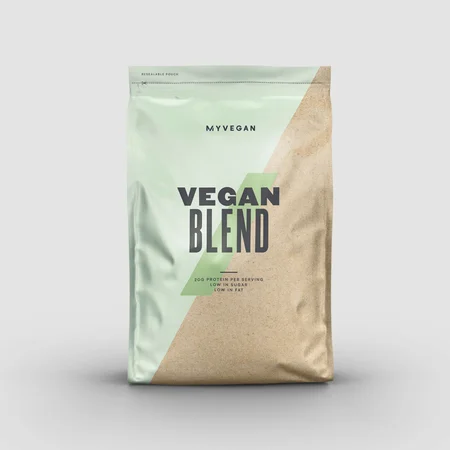
Shop Vegan & Plant-based Protein at Myprotein
Finding high-quality vegan protein powder that delivers on both taste and nutrition can transform your plant-based lifestyle. Our vegan and plant-based protein range offers complete amino acid profiles from sources like pea, soy, and brown rice, providing everything you need to meet your fitness goals without animal-derived ingredients.
Whether you're fully vegan, exploring plant-based nutrition, or simply looking to diversify your protein sources, our plant protein powders deliver the same muscle-supporting benefits as whey. Each formula is crafted to blend smoothly, taste great, and fit seamlessly into your daily routine.
Who These Are For
Vegan protein powders suit anyone following a plant-based diet, whether you're an experienced vegan or just starting to reduce animal products. They're ideal for athletes and gym-goers who want to build muscle mass on a vegan diet, as protein contributes to the growth and maintenance of muscle mass1.
These plant-based protein powders also work brilliantly for anyone with dairy sensitivities or those simply wanting to add variety to their nutrition. From endurance runners to weightlifters, plant protein supports the same training demands as animal-based options, making it a versatile choice for any fitness level.
When to Use Vegan & Plant-based Protein
Plant protein powder works any time you need a convenient protein boost. Many people shake up a serving within 30 minutes after training, when muscles are primed for nutrients. It's equally effective first thing in the morning to kickstart your day with quality plant protein.
Beyond workout nutrition, vegan protein powder blends into smoothies, oatmeal, and baking for an easy way to increase your daily protein intake. Some prefer it as an afternoon snack or light meal replacement when they need something quick and nourishing between main meals.
Vegan & Plant-based Protein Benefits
Complete Plant-Based Nutrition
Modern vegan protein powders combine multiple plant sources to deliver all essential amino acids your body can't produce on its own. Blends of pea, brown rice, and other plant proteins create a complete amino acid profile comparable to animal-based options.
Muscle Support Without Dairy
Plant-based protein delivers the same muscle benefits as whey, as protein contributes to the maintenance of muscle mass1. Whether you're building strength or maintaining lean tissue, vegan protein provides the building blocks your muscles need after every training session.
Easier Digestion for Many
Plant protein powders often suit people who find dairy-based options heavy or uncomfortable. Pea and soy proteins digest smoothly without the bloating some experience with whey, making them a gentler choice for sensitive stomachs while delivering the same protein content per serving.
Naturally Lower in Saturated Fat
Plant-based proteins typically contain less saturated fat than animal sources, and reducing consumption of saturated fat contributes to the maintenance of normal blood cholesterol levels2. This makes vegan protein powder a heart-conscious choice that aligns with balanced nutrition.
Popular Picks
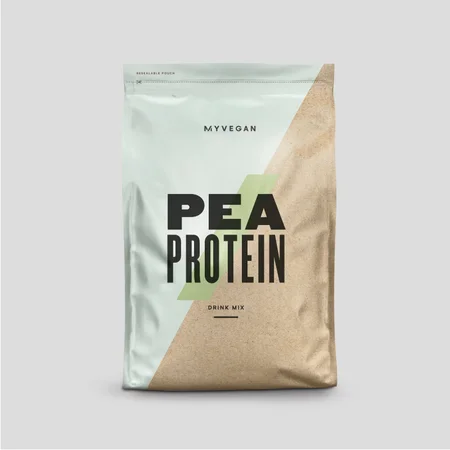
Need pure simplicity? Pea Protein Isolate combines pea and faba bean proteins for 22g protein per serving with a smooth, creamy texture. It's an all-rounder that works brilliantly in shakes, smoothies, and recipes.
FAQs
What is vegan protein powder?
Vegan protein powder is a supplement made entirely from plant sources like peas, soy, brown rice, hemp, or combinations of these. Unlike whey or casein which come from milk, plant-based protein powders provide complete nutrition without any animal-derived ingredients, making them suitable for vegans, vegetarians, and anyone avoiding dairy.
How does plant-based protein compare to whey protein?
Plant protein delivers the same muscle benefits as whey, since protein contributes to the growth and maintenance of muscle mass1 regardless of source. Modern vegan protein blends combine multiple plants to match whey's complete amino acid profile.
The main difference lies in digestion speed and taste preference rather than effectiveness. Many athletes switch between plant and animal proteins based on their dietary needs without compromising their training results.
Which vegan protein powder is best?
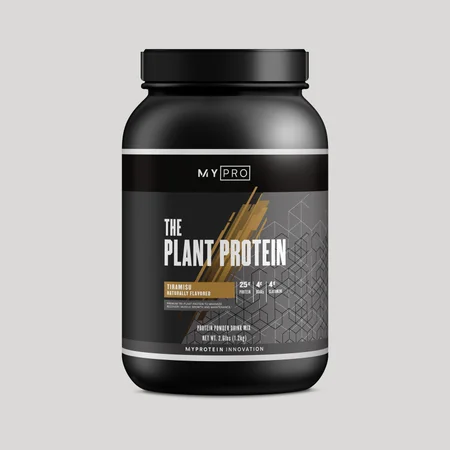
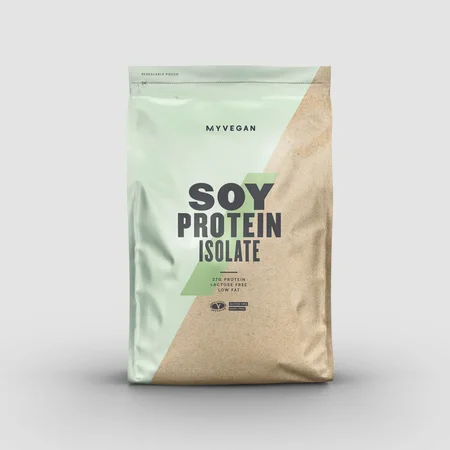
The best plant-based protein powder depends on your priorities. Pea protein isolate offers simplicity and high protein content, while blended formulas like THE Plant Protein provide varied amino acid sources. Soy protein isolate delivers one of the most complete single-source plant proteins available.
Consider texture preferences too - some prefer the creaminess of pea protein, while others enjoy the lighter consistency of rice-based blends. All our vegan proteins deliver quality nutrition, so choose based on taste and how you'll use it.
How much vegan protein powder should I take daily?
Most people use one to three servings of plant protein powder daily, depending on their overall protein needs from food. A typical serving provides 20-25g protein, which fits easily into breakfast smoothies, post-workout shakes, or as a convenient snack between meals.
Your total protein requirements vary based on activity level and goals. Plant-based protein powder simply makes it easier to meet those needs when whole food sources aren't convenient.
Can I build muscle on vegan protein powder?
Absolutely - protein contributes to the growth and maintenance of muscle mass1 whether it comes from plants or animals. Vegan athletes across all sports, from bodybuilding to marathon running, successfully build and maintain muscle using plant-based protein powders as part of their nutrition strategy.
The key is consuming adequate protein throughout the day and training consistently. Plant protein powders make this simple by providing 20-27g per serving depending on the formula you choose.
Is plant protein easier to digest than whey?
Many people find plant-based protein powders gentler on their digestive system, particularly if they're sensitive to lactose or dairy proteins. Pea and rice proteins naturally contain no lactose, which eliminates the bloating some experience with whey.
However, digestive comfort varies by individual. Some prefer whey while others thrive on plant proteins - it's worth trying different sources to discover what works best for your body.
What makes a complete plant-based protein?
A complete protein contains all nine essential amino acids - those your body can't produce and must get from food. while individual plant sources may be lower in certain amino acids, combining different plants creates a complete profile.
That's why many vegan protein powders blend pea with rice, or include soy which is naturally complete on its own. These combinations ensure you're getting the full amino acid spectrum in every serving.
Who developed Myprotein's vegan protein range?
Myprotein's expert nutritionists developed our plant-based protein range, formulating each product to meet the specific needs of vegan athletes and anyone following a plant-based lifestyle. They've carefully selected protein sources, optimized amino acid profiles, and refined flavors to create vegan proteins that perform as well as they taste.
Can I use vegan protein powder in cooking and baking?
Plant protein powder works brilliantly in recipes beyond shakes. Blend it into smoothies, stir it through oatmeal, or add it to pancake batter for a protein boost. Many people bake with vegan protein powder, incorporating it into muffins, energy balls, and protein bars.
Start by replacing a small portion of flour in recipes - usually 25-30% works well without affecting texture too much. Neutral flavors like unflavoured or vanilla blend most versatilely into both sweet and savory dishes.
What's the difference between pea protein and soy protein?
Pea protein isolate comes from yellow split peas and delivers around 23g protein per serving with a naturally creamy texture. Soy protein isolate derives from soybeans and typically provides slightly more protein per serving - often 27g - with a lighter, less creamy consistency.
Both are complete proteins containing all essential amino acids. Soy has been studied extensively for decades, while pea protein has gained popularity more recently as a hypoallergenic alternative. Either choice delivers quality plant-based nutrition.
1. Protein contributes to a growth in muscle mass.
2. Reducing consumption of saturated fat contributes to the maintenance of normal blood cholesterol levels.