Protein Bars
2 Results
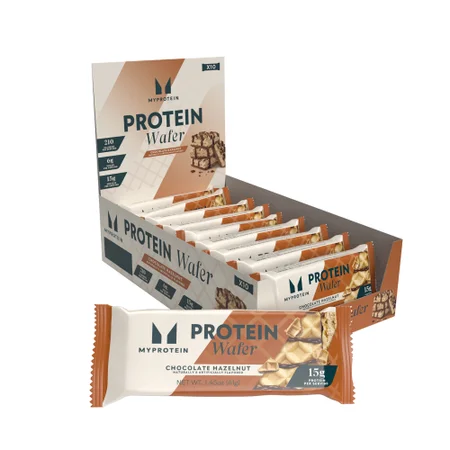
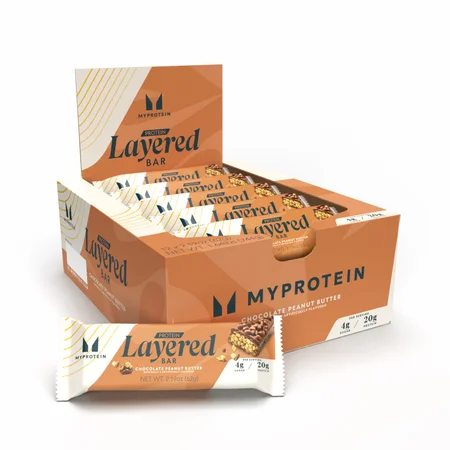
Shop Protein Bars at Myprotein
Protein bars offer a convenient way to increase your daily protein intake when you're short on time. Each bar delivers a concentrated source of protein in a portable format that fits easily into your gym bag, desk drawer, or car.
Available in a range of flavors and formats, from chewy layered bars to crispy wafers, there's a protein bar to suit different taste preferences and nutritional goals. Whether you're looking for a post-workout option or a high-protein snack between meals, the variety means you can find something that works for your routine.
Who Protein Bars Are For
These bars are designed for anyone looking to increase their protein intake through convenient, ready-to-eat options. They're particularly useful for people with busy schedules who need a quick protein source without preparation time.
From gym-goers seeking a portable post-training option to office workers wanting a high-protein alternative to typical snacks, protein bars fit various lifestyles. They're also practical for anyone who finds it challenging to meet their daily protein requirements through whole foods alone.
When to Use Protein Bars
The timing depends on your individual routine and nutritional needs. Many people eat protein bars after training sessions as a convenient way to get protein when whole food meals aren't immediately available. Others use them as a snack between main meals to help meet daily protein targets.
They're particularly practical during travel, long work days, or any situation where preparing protein-rich meals isn't feasible. Keep a few in your bag or car so you've always got a high-protein option on hand when hunger strikes.
Protein Bars Benefits
Convenient Protein Source
Each bar provides a concentrated amount of protein in a format that requires zero preparation. Simply unwrap and eat when you need a protein boost, making them ideal for busy lifestyles where meal prep time is limited.
Portable Nutrition
Unlike protein shakes that require mixing equipment and liquid, protein bars are completely portable. They don't need refrigeration and won't spill in your bag, making them practical for gym sessions, work, travel, or outdoor activities.
Variety of Formats
From soft, chewy layered bars to crispy wafers, different formats offer varied textures and flavors. This variety helps prevent flavor fatigue and means you can choose options that match your taste preferences and texture requirements.
Supports Protein Intake Goals
Protein contributes to the growth and maintenance of muscle mass.1 Protein bars make it easier to reach your daily protein targets, particularly on days when preparing multiple protein-rich meals isn't practical or convenient.
Popular Picks
Looking for a crispy, light option? Protein Wafer - Featuring multiple layers including caramel and crispy pieces, these bars provide a satisfying texture combination. Each bar packs a high protein content in a chewy, indulgent format.
FAQs
What are protein bars?
Protein bars are convenient, ready-to-eat snacks formulated to deliver a concentrated amount of protein in a portable format. They typically combine protein sources like whey or soy protein with other ingredients such as nuts, grains, and flavorings to create a bar that's both nutritious and palatable.
The protein content varies by product, but most bars contain between 15-25g of protein per serving. They're designed as a practical alternative to protein shakes or whole food protein sources when convenience is a priority.
What are the best protein bars?
The best protein bars depend on your individual nutritional needs, taste preferences, and dietary requirements. Look for bars with a protein content that aligns with your goals – higher amounts if you're trying to maximize protein intake, or moderate amounts if you're using them as occasional snacks.
Consider the ingredient list and macronutrient profile. Some people prefer bars with minimal ingredients and lower sugar content, while others prioritize taste and texture. The Layered Protein Bar offers a more indulgent option with multiple texture layers, whereas the Protein Wafer provides a lighter, crispier alternative.
How do I choose the right protein bar?
Start by checking the protein content per bar and comparing it to your daily protein targets. If you're using bars to supplement your protein intake significantly, opt for options with 20g or more per serving. For lighter snacking, bars with 10-15g might suffice.
Read the full nutritional information, including calories, carbohydrates, and fat content, to ensure the bar fits your overall dietary approach. Also consider texture and flavor preferences – if you've tried protein bars before and found them too dense or chewy, a wafer format might suit you better.
When should I eat a protein bar?
Timing depends on your individual routine and goals. Many people consume protein bars after training sessions when they need protein but don't have immediate access to a full meal. They're also practical as snacks between main meals to help maintain protein intake throughout the day.
There's no universally "best" time to eat a protein bar. Use them when they fit your schedule and help you meet your nutritional needs. Some people eat them mid-morning or mid-afternoon, while others keep them for post-workout convenience or evening snacks.
Can I eat protein bars every day?
Protein bars can form part of a balanced diet when used appropriately. They're a convenient protein source, but whole foods should still make up the majority of your nutritional intake. Most people use protein bars as occasional supplements rather than daily meal replacements.
If you do eat them daily, ensure you're still getting adequate nutrition from varied whole food sources including vegetables, fruits, whole grains, and other protein sources. Check the total calorie and macronutrient content to confirm they align with your daily targets.
How much protein do I need per day?
Protein requirements vary based on factors including body weight, activity level, and individual goals. General recommendations suggest 0.8-1g of protein per kilogram of body weight for sedentary adults, while those engaging in regular training may benefit from 1.6-2.2g per kilogram.
Calculate your personal requirements based on your circumstances, then use protein bars as one tool among many to help reach that target. They're particularly useful on busy days when preparing multiple protein-rich meals becomes challenging.
Are protein bars suitable for vegetarians?
Some protein bars are suitable for vegetarians, but not all. Many contain whey protein, which is derived from milk and therefore vegetarian-friendly. However, some bars may contain ingredients like gelatine, which isn't suitable for vegetarians.
Always check the specific product information and ingredient list before purchasing. Myprotein offers various options, and product pages clearly indicate which bars are suitable for vegetarian diets.
Who develops Myprotein's protein bars?
Myprotein's protein bars are developed by the company's expert nutritionists who specialize in sports nutrition formulation. These professionals work to create products that combine effective nutritional profiles with appealing taste and texture.
The team considers factors including protein quality, macronutrient balance, and ingredient sourcing when developing new bars and reformulating existing products. This expertise ensures the range meets the varied needs of customers with different nutritional goals and preferences.
What's the difference between protein bars and regular snack bars?
The primary difference lies in the protein content and macronutrient profile. Protein bars are specifically formulated to deliver a concentrated amount of protein – typically 15-25g per bar – while regular snack bars usually contain minimal protein and focus primarily on carbohydrates.
Protein bars are designed for people looking to increase their protein intake, whereas regular snack bars are general convenience foods. The ingredient composition differs significantly, with protein bars using protein concentrates or isolates as primary ingredients rather than just grains, fruits, or nuts.
How should I store protein bars?
Store protein bars in a cool, dry place away from direct sunlight. Most bars don't require refrigeration and maintain their quality at room temperature, making them convenient for carrying in gym bags or keeping in desk drawers.
Extreme temperatures can affect texture – heat may cause bars to soften or chocolate coatings to melt, while very cold temperatures can make them harder. For best texture and taste, store them at normal room temperature and consume before the best before date printed on the packaging.
1. Protein contributes to the growth and maintenance of muscle mass.